
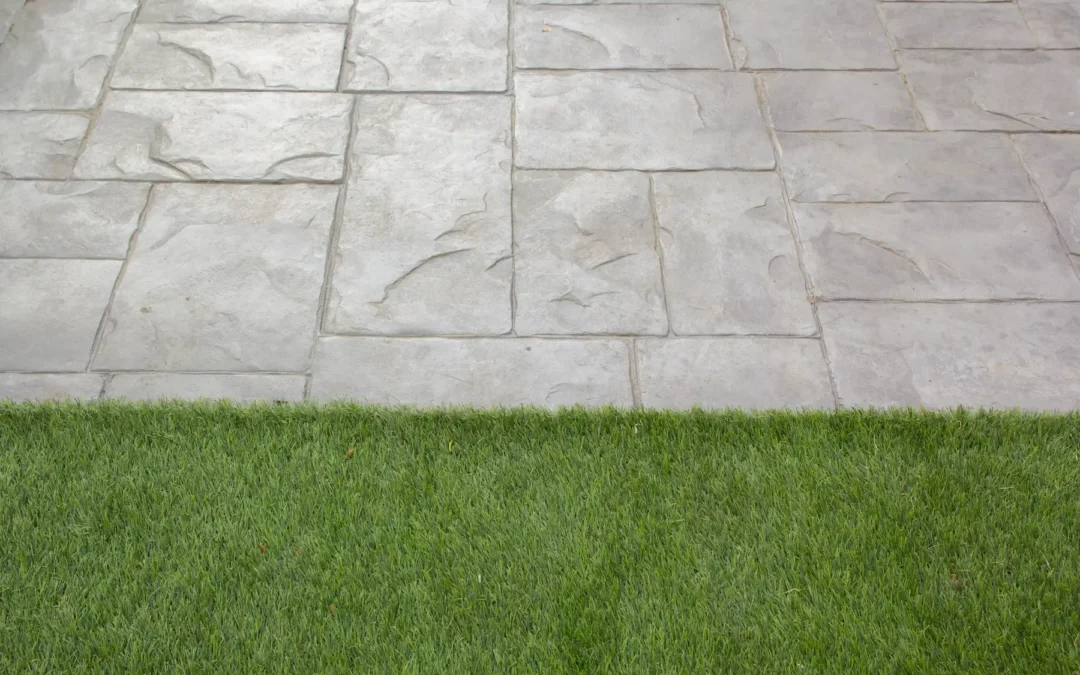
If you’ve been pricing out a new patio, driveway, or walkway, you’ve probably run into a common fork in the road: plain concrete, pavers, natural stone, or stamped concrete. Stamped concrete lands in an interesting spot—it costs more than a plain gray slab but usually less than natural stone or pavers, and it can convincingly mimic all of them. So the real question homeowners ask us is simple: is it actually worth paying more?
Here’s an honest breakdown to help you decide.
What You’re Actually Paying For
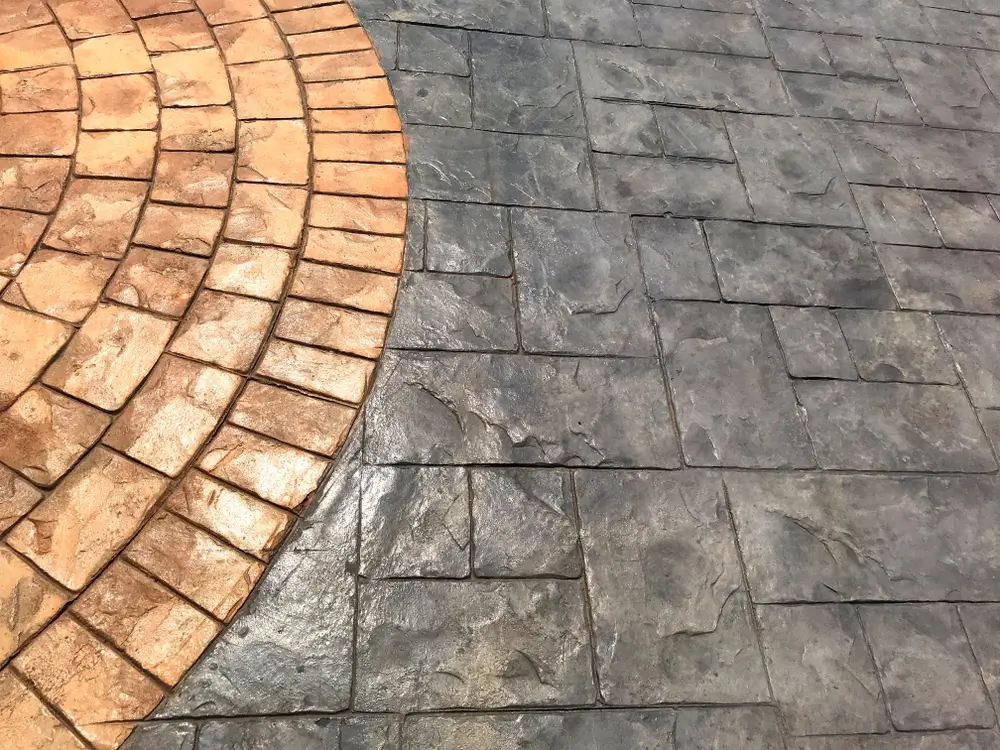
Plain concrete gives you a functional, durable surface. Stamped concrete gives you that same structural foundation, plus texture, color, and a pattern pressed into the surface while it cures. The upcharge covers the decorative work: the stamping mats, the color hardeners and release agents, the sealing, and the skilled labor it takes to get clean, natural-looking results.
In other words, you’re not paying more for a stronger slab. You’re paying for one that looks like hand-laid stone, brick, slate, or wood plank—without the price tag or upkeep those materials carry.
The Case For Spending More
It looks like premium materials for a fraction of the cost. Natural flagstone or brick pavers can run well above what stamped concrete costs, once you factor in materials and the labor to lay each piece individually. Stamped concrete achieves a strikingly similar look at a lower overall price.
Lower maintenance than the alternatives. Pavers can shift, sink, and sprout weeds between the joints. Natural stone often needs regular sealing and spot repairs. Stamped concrete is a single continuous surface—there are no joints for weeds to invade and nothing to shift out of place. A clean and reseal every two to three years is generally all it needs.
It adds real curb appeal and property value. A decorative patio or walkway is one of the more visible upgrades you can make to a home’s exterior. It elevates the look of the whole property in a way a plain slab simply doesn’t.
It holds up to Minnesota winters. This is the one that matters most locally. With the right high-strength mix, properly placed control joints, and quality sealant, stamped concrete stands up to the freeze–thaw cycles that define Minneapolis winters. Installed correctly, it can last 25 to 30 years or more.
The Case For Thinking Twice
To be fair, stamped concrete isn’t the right answer for every project or every budget.
The upfront cost is higher than plain concrete. If your only goal is a functional surface and appearance is secondary, a standard slab will save you money on day one.
Resealing isn’t optional. That every-two-to-three-years resealing is what keeps stamped concrete protected from moisture, road salt, and stains. Skip it for too long and the finish will show wear faster than it should. It’s low maintenance—not no maintenance.
Installation quality makes or breaks it. Stamping is a skill. Poorly mixed color, rushed stamping, or bad joint placement can leave you with a surface that cracks unevenly or looks artificial. This is not a project where the cheapest bid usually wins.
Timing matters in Minnesota. The best results come from installing late spring through early fall, when temperatures stay consistently above 50°F for proper curing. That can limit your scheduling window.
So—Is It Worth It?
For most homeowners who care how their outdoor space looks and plan to stay in their home for a while, stamped concrete is worth the extra cost. You get the appearance of premium stone or brick, a surface that resists the joints-and-weeds headaches of pavers, strong performance through Minnesota winters, and a genuine bump in curb appeal—all for less than the natural materials it imitates.
Where it makes less sense: a purely utilitarian surface, a very tight upfront budget, or a homeowner who won’t keep up with resealing.
The single biggest factor in whether you’ll be happy with the result isn’t the material—it’s the installer. Clean stamping, the right freeze–thaw-ready mix, and proper joint placement are what turn stamped concrete from a gamble into a decades-long upgrade.
Get a Free Stamped Concrete Estimate
At Twin Cities Concrete Works, our Minneapolis concrete artisans specialize in durable, decorative stamped concrete built for the Midwest climate. We’ll help you choose the pattern and color that fit your home—from ashlar slate and cobblestone to flagstone and wood plank—and give you an honest estimate with no pressure.
Get your free quote today or call us at 612-930-7097.
Frequently Asked Questions
How much more does stamped concrete cost than plain concrete?
Stamped concrete typically costs more than a standard gray slab because of the added materials—stamping mats, color hardeners, release agents, and sealant—plus the skilled labor required to install it well. It still usually comes in below the cost of natural stone or brick pavers, which is a big part of its appeal. For an accurate number on your specific project, request a free estimate.
How long does stamped concrete last in Minnesota weather?
With proper installation and maintenance, stamped concrete can last 25 to 30 years or more. We use high-strength mixes, professional sealants, and properly placed control joints designed to withstand the freeze–thaw cycles common in Minneapolis winters.
Does stamped concrete require a lot of maintenance?
No. It’s low-maintenance compared to pavers or natural stone. To keep it looking its best, we recommend cleaning and resealing every two to three years, which protects the surface from moisture, salt, and stains.
Is stamped concrete worth it if I plan to sell my home?
Yes—decorative concrete is one of the more visible exterior upgrades you can make, and it boosts curb appeal and property value. A stamped patio, walkway, or driveway helps a home stand out to buyers in a way a plain slab doesn’t.
What patterns and colors can I choose from?
We offer a wide selection of stamp patterns—like ashlar slate, cobblestone, flagstone, and wood plank—and colors ranging from natural earth tones to modern grays. Our design specialists will help you find the right combination for your home.
When is the best time of year to install stamped concrete in Minnesota?
Late spring through early fall is ideal, when temperatures stay consistently above 50°F. This ensures the best curing conditions and the strongest finish.
Is stamped concrete cheaper than pavers?
In most cases, yes. Pavers require laying each piece individually, which adds labor and material cost. Stamped concrete achieves a similar high-end look as a single continuous surface—usually at a lower overall price, with fewer long-term headaches like shifting or weeds between joints.